Home › Warehouse and Industrial Facility Demolition
We perform warehouse demolition in Miami, FL along with takedowns of heavy industrial facilities. Our team manages disconnects, contamination checks, and phased dismantling of structural steel, equipment, and slabs. High reach machines and specialty tools handle large spans safely. Turn obsolete plants and warehouses into clean, redevelopable sites.
Wrexo Demolition Miami provides professional warehouse demolition throughout Miami, FL and the surrounding area. Our licensed, insured crew delivers safe, clean, on-time work with a free estimate before anything begins. Call (786) 460-2365 or request your free quote.
Warehouse Demolition in Miami That Fits Real-World Operations
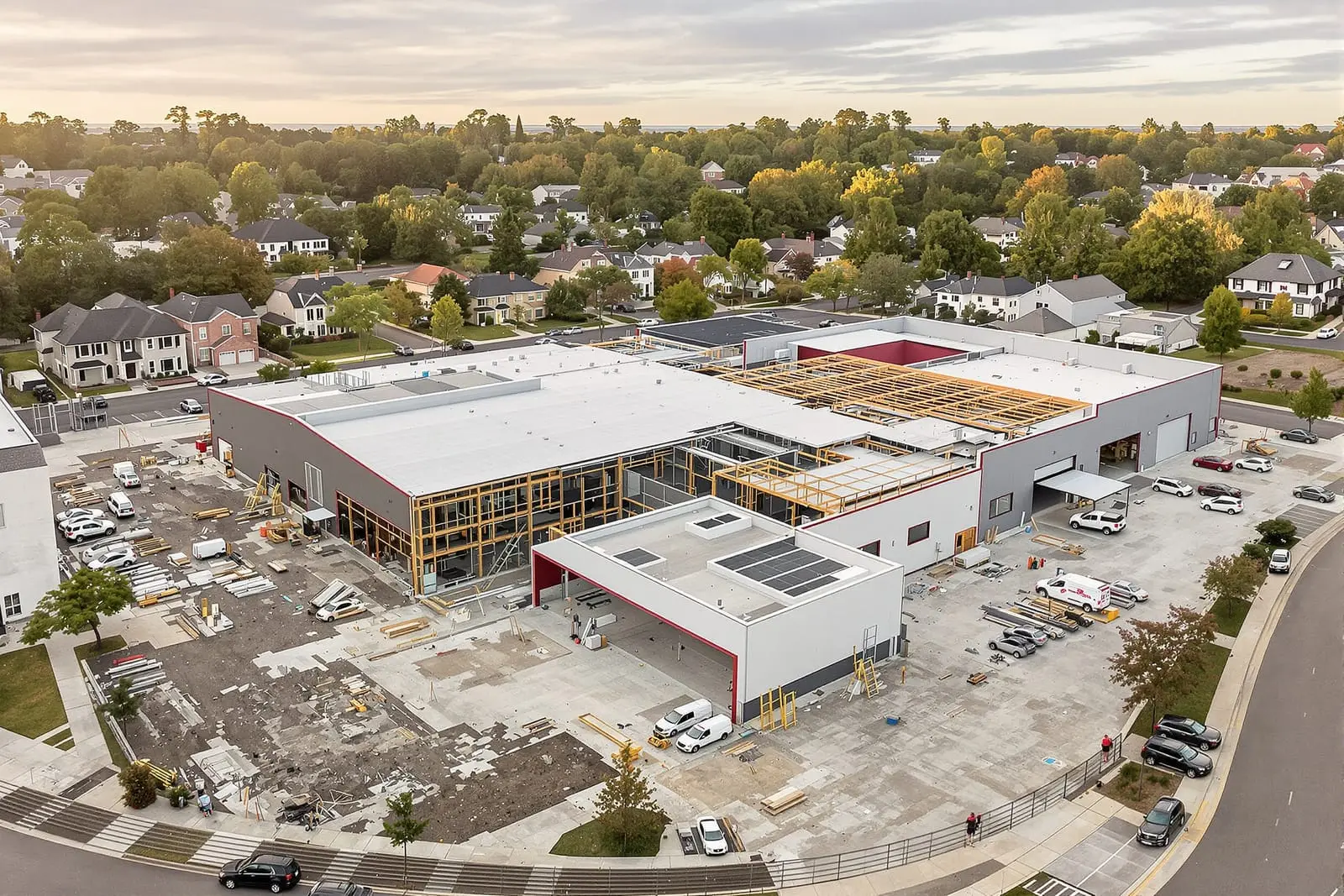
Warehouse and industrial facility demolition in Miami is not just about knocking walls down. It is about clearing a structure in a way that protects surrounding businesses, keeps your operations or tenant schedule on track, and complies with local codes and environmental rules. Wrexo Demolition Miami focuses specifically on occupied industrial areas, tight access sites, and aging concrete or steel warehouses common across Miami-Dade.
Most of our warehouse demolition calls come from owners who are either converting old logistics buildings near the airport, replacing obsolete cold storage near the river, or clearing light industrial space in Medley and Doral. Each site has different challenges: heavy rack systems, tilt-up concrete panels, buried utilities, or old refrigeration systems with regulated refrigerants. We start every project with a site walk and structural review so we can choose the right mix of mechanical demolition, selective interior work, and, when needed, manual dismantling around sensitive equipment.
Instead of promising a one-size-fits-all solution, Wrexo Demolition Miami builds a plan around your building type, your neighbors, and your schedule. That usually means phasing the demolition so trucks avoid your peak traffic hours, isolating sections of the structure so parts of your operation can keep running, and setting specific milestones tied to your next contractor, such as concrete crews or steel erectors.
Step-by-Step: How We Demolish Warehouses and Industrial Facilities
A typical warehouse demolition in Miami follows a clear sequence, adjusted to your site conditions:
1) Pre-demolition survey and utilities: We verify structural drawings if available, then physically trace utilities. In older Miami warehouses, we expect undocumented electrical conduits and random water lines added over decades. Our team coordinates with FPL, Miami-Dade Water and Sewer, and telecom providers to disconnect or reroute power, water, gas, and data before any structural work begins.
2) Hazard and material assessment: We test for asbestos in roofing, insulation, and floor tile, and for lead in industrial coatings, especially in 1960s to 1980s block and steel buildings. If cold storage is involved, we inspect refrigeration systems for refrigerants and ammonia. Wrexo Demolition Miami brings in licensed abatement partners when needed, so hazardous materials are legally removed before we start mechanical demolition.
3) Interior soft strip: We remove racking systems, mezzanines, office build-outs, drywall, non-structural partitions, MEP fixtures, dock equipment, and interior doors. This phase reduces weight on the structure and improves visibility for machine operators. Salvageable components like pallet racking and metal doors can often be removed intact for resale or reuse, offsetting part of the project cost.
4) Structural demolition: For concrete tilt-up or CMU block warehouses, we usually use high-reach excavators with concrete processors and hydraulic hammers. For steel frame buildings, we cut and pull frames in a controlled sequence so bays come down into a planned drop zone. Where the site is tight or near live operations, we may dismantle roof sections and beams in smaller pieces using man lifts and shear attachments instead of toppling large sections at once.
5) Slab, foundations, and underground features: Many Miami warehouses sit on thick slabs with embedded rails, pits, or drains. If you plan to reuse the slab, we cut and patch only the necessary areas. If the entire building is being redeveloped, we break and remove slab and footings, locate abandoned utilities, and either remove or properly grout-fill old sumps, separators, or loading docks.
6) Sorting, hauling, and site cleanup: Debris is separated on site into concrete, ferrous metals, non-ferrous metals, wood, and trash. Wrexo Demolition Miami sends concrete and masonry to approved recyclers, scrap to metal yards, and regulates truck movements to reduce dust and traffic disruption in nearby streets. We finish by rough grading and leaving the site in a condition your next contractor can work on without rework.
Cost Drivers for Warehouse Demolition in Miami
Warehouse demolition pricing is driven by more than just square footage. Wrexo Demolition Miami evaluates specific factors that affect time, equipment, and disposal.
Structural type and height: A single-story tilt-up concrete structure with open access is faster to clear than a multi-bay steel frame with mezzanines and attached offices. Higher walls often require high-reach equipment, which increases mobilization cost. Heavier roof systems with precast concrete or built-up roofing add weight and disposal volume.
Access and logistics: Miami industrial areas often have tight truck access, limited staging space, and active neighbors. If your site has one narrow entrance, overhead power, or a shared drive with other tenants, we may need flaggers, smaller trucks, or more trips to manage debris. These logistical constraints can impact total cost more than the building size alone.
Hazardous materials and special systems: Asbestos roofing, lead-based paint in old manufacturing spaces, or contaminated floor slabs in former chemical or auto facilities will add professional testing, abatement, and disposal fees. Cold storage demolition may involve refrigerant recovery and insulated panel disposal. We itemize these costs so you can see what is structural demolition and what is regulatory compliance.
Salvage value: Steel frames, structural steel, and clean metal racking have scrap value. In some projects, Wrexo Demolition Miami credits expected metal recovery against your overall price. We do not inflate scrap estimates to win bids, we use current local market pricing so the numbers hold up once work starts.
End condition of the site: If your civil contractor wants all foundations out, underground utilities capped at a certain depth, or subgrade prepared to a specific level, that adds excavation and backfill time. If you only require a clean, safe pad for future planning, we can scale back those scopes to keep costs aligned with your immediate goals.
Managing Common Issues in Industrial Demolition Projects
Warehouse demolition always reveals surprises, especially in older Miami properties that have changed use several times. Wrexo Demolition Miami plans for these typical issues so they do not derail your schedule.
Unknown utilities and add-ons: Many industrial facilities have “temporary” lines that became permanent, such as extra electrical feeds to machinery or improvised water taps. We expose and trace suspect lines before cutting. When we find live utilities that were not on drawings, we coordinate shutdowns quickly to avoid unsafe conditions and downtime for neighbors.
Shared walls and adjacent tenants: In multi-tenant industrial parks, one warehouse may share a wall with an operating business. When we demolish one side, we protect and shore any shared or party walls, work from the roof down to prevent damage, and use smaller attachments to control vibration. Noise and vibration windows can be scheduled around neighboring operations.
Dust, noise, and debris in active industrial areas: Concrete and masonry demolition creates dust that can impact nearby offices, showrooms, or food-related businesses. We plan water suppression, misting, and debris containment for prevailing coastal winds, not generic assumptions. In some cases we stage temporary screening or sound barriers to shield adjacent operations and public roads.
Permits and inspections: In Miami-Dade, warehouse demolition typically requires building permits, route approvals for heavy trucks in some areas, and in some cases environmental clearances. We guide you on what the county and city will expect, help assemble supporting documents, and schedule required inspections so work does not stall. If your lender or buyer requires extra documentation or progress photos, we include that in the project plan.
Weather and drainage: Industrial yards in low-lying parts of Miami can hold water after heavy rain. We sequence slab and foundation removal so access routes for equipment stay usable. When necessary, we add temporary stone or matting in soft areas so trucks can keep moving and you avoid costly delays.
What Miami Warehouse Owners Should Decide Before Demolition
Before you ask for bids, a few decisions can save time and clarify costs. Wrexo Demolition Miami often helps owners think through these points during our first site visit.
Future use of the site: Are you clearing the warehouse for a new larger facility, converting to mixed-use, or selling the land? If the next step is uncertain, you might not want to pay for deep foundation removal or extensive grading. If redevelopment plans are approved, we can coordinate footing removal depths, compaction needs, and utility terminations with your design team.
What to keep and what to remove: Some owners keep dock slabs, retaining walls, or office portions that still function. Others want a completely clean site. Make a list of items you want preserved: perimeter fences, specific slabs, utility rooms, or transformers. The more precise this list, the better we can protect those features while removing everything else.
Timing constraints: Industrial leases, sale contracts, and incoming construction schedules often set hard dates. If you have move-out dates, environmental deadlines, or financing milestones, we build the demolition sequence around them. In high-demand industrial zones, coordinating with the next trade (grading, underground utilities, or foundation crews) is just as critical as finishing the demolition itself.
Documentation and compliance needs: If your business is subject to audits, such as food, pharmaceutical, aviation, or government contractors, you may need extra documentation about how materials were removed and where they went. We can provide waste manifests, recycling reports, and photo logs that align with those requirements without disrupting field crews.
Neighborhood and brand considerations: For customer-facing brands, a long, messy demolition can affect perception. We can plan a cleaner public-facing side, schedule heavy activity at off-peak times, and coordinate temporary signage or barriers so your customers see a controlled project, not a chaotic wrecking site.
Why Choose Wrexo Demolition Miami for Warehouse Demolition
Wrexo Demolition Miami focuses on practical solutions for warehouse and industrial facility demolition rather than flashy promises. Our crews are used to Miami’s industrial building stock, from older block structures with rusted bar joists to newer concrete tilt-up with tall clear heights and ESFR sprinklers.
We own and operate the right equipment for this type of work, including high-reach excavators, hydraulic concrete processors, steel shears, and hammer attachments. This allows us to tackle large structural components efficiently while still working carefully near utilities, roads, and neighboring businesses. Because we control our equipment scheduling, we can respond quickly when your project timeline shifts.
Safety is built into every phase. We plan machine paths, debris drop zones, and exclusion areas so workers and visitors stay out of danger. Tool box talks focus on the actual hazards at your site, such as live utilities along the property line or overhead power at loading docks, not generic checklists. Our goal is to complete the demolition with no incidents and no surprise shutdowns for your neighbors.
From the first walk-through, we lay out a straightforward scope, clear pricing, and realistic schedule, then keep you informed as conditions in the field reveal themselves. If you are preparing to clear a warehouse or industrial facility anywhere in the Miami area, we can review your property, outline options that match your redevelopment plans, and deliver a demolition package that fits how you actually operate, not just the drawing on paper.
“
Professional warehouse and industrial facility demolition, done right the first time, quality materials, honest pricing, and results that last.
Wrexo Demolition Miami
Warehouse and Industrial Facility Demolition Across Our Service Area