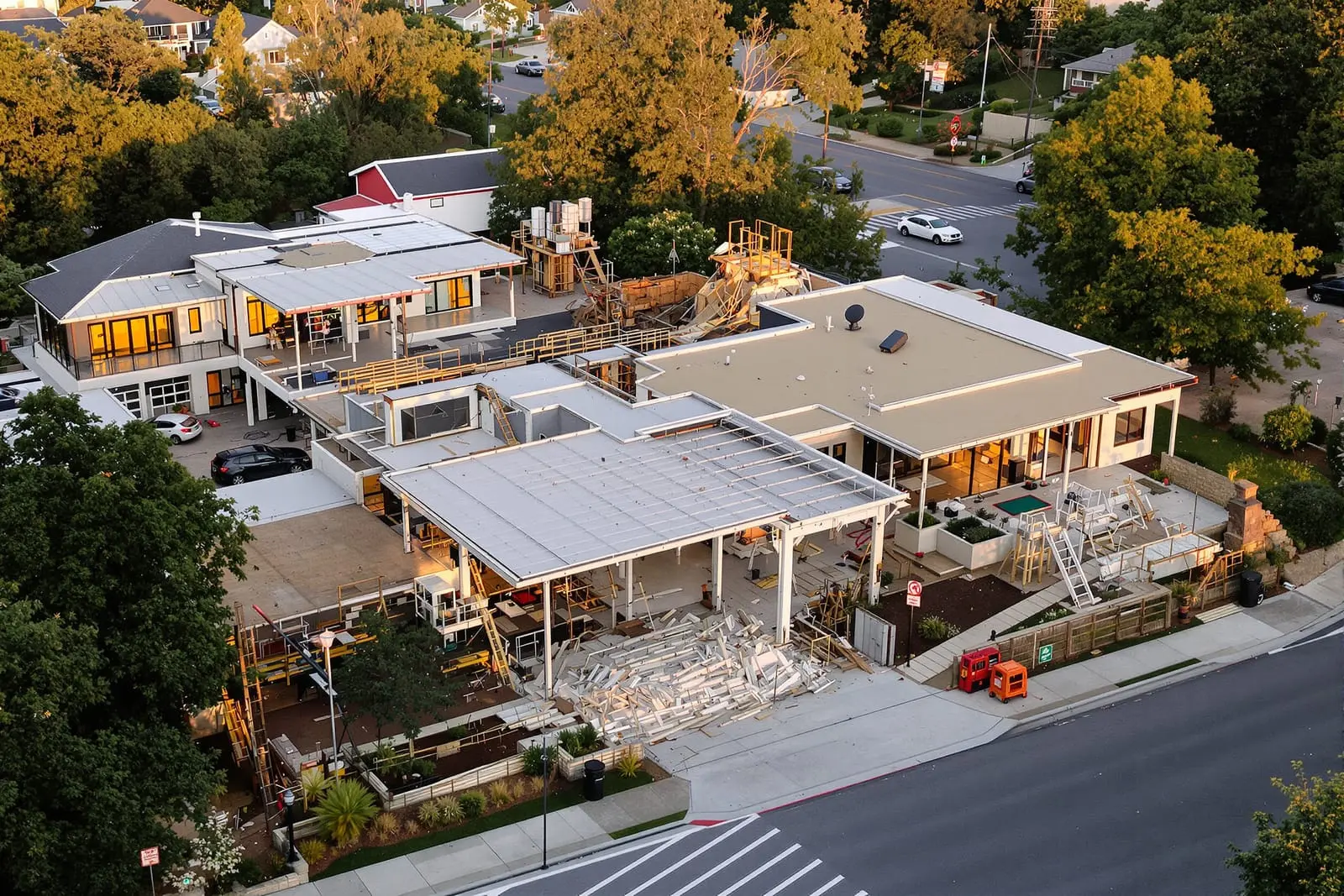
We provide bridge demolition services in Miami, FL for roadways, overpasses, and other civil structures. Engineering drives every cut, lift, and blast plan, with traffic control and environmental protections built in. Crews use cranes, saws, breakers, or controlled explosive methods depending on conditions. Replace aging infrastructure safely with an experienced demolition team.
Wrexo Demolition Miami provides professional bridge demolition throughout Miami, FL and the surrounding area. Our licensed, insured crew delivers safe, clean, on-time work with a free estimate before anything begins. Call (786) 460-2365 or request your free quote.
Bridge Demolition Specialists in Miami’s Real-World Conditions
Bridge demolition in Miami is never a simple “knock it down” project. You are dealing with tidal waters, aging concrete, coastal corrosion, heavy traffic patterns, and strict environmental rules. Wrexo Demolition Miami focuses specifically on bridge and civil structure demolition in South Florida conditions, so every plan we create starts with where your bridge sits, how it is built, and what surrounds it.
Our team looks at the bridge type first, such as concrete girder, post-tensioned segmental, steel truss, or small-span culvert, then we decide which dismantling methods are safest and most economical. We coordinate with FDOT standards, Miami-Dade County requirements, and local utility owners to make sure your project moves without surprise shutdowns or fines. Whether your bridge crosses a tidal canal in North Miami, a drainage ditch in Doral, or a major roadway interchange, we build a plan that protects traffic, nearby buildings, and the water below.
For you as the client, that means fewer change orders, tighter schedules, and a demolition sequence that fits the realities of the site, not just a generic engineering drawing.
How Wrexo Demolition Miami Plans a Bridge Demolition Project
The success of any bridge demolition is determined before the first saw cut. We start with a thorough condition and structural review. Our crews and engineers study as-built drawings when available and compare them to what is actually in the field. In Miami, bridge rehab work over the years can leave hidden post-tension ducts, patched bearing seats, or undocumented utilities attached to the structure. We locate all of that before demolition starts.
Next, we perform a site logistics and access study. For example, on a canal bridge we identify barge access points, mobilization areas for cranes, and temporary platforms that may be needed. In dense urban corridors like Brickell or Downtown, we analyze traffic staging, lane closures, and night or weekend work windows that minimize disruption. Noise limits, dust constraints in nearby residential towers, and light pollution during night work are all planned early.
Finally, we develop a step-by-step demolition sequence. This includes where to place lifting cranes, in what order spans are cut and removed, and how to maintain stability of remaining sections during each step. For complex structures we use engineered shoring or temporary bracing so that no partial span is overloaded while other parts are being removed.
Methods and Equipment Used for Bridge and Civil Structure Demolition
Wrexo Demolition Miami uses a mix of mechanical dismantling, cutting, and controlled breaking techniques tailored to each bridge. For concrete bridge decks we commonly use excavators equipped with hydraulic hammers, processors, and concrete munchers to break decks into manageable sections while protecting girders or utilities that must remain. On bridges over busy roads or rail, we often pre-cut deck panels and lift them out with cranes instead of dropping debris.
For steel bridges or composite structures, our crews use torch cutting, cold cutting saws, and occasionally wire saws to segment girders. We plan pick weights so cranes are never pushed to their limits, which is especially important when setting up on limited causeway shoulders or barge decks affected by tides. Connection points, splice plates, and bearing assemblies are pre-inspected to reduce time spent cutting in the air.
On post-tensioned or heavily reinforced concrete, we may use diamond wire sawing to create clean cuts through girders, piers, or caps, particularly when vibration must be kept low to protect adjacent structures or sensitive utilities. Where impact breaking is appropriate, such as for isolated piers or abutments away from utilities, we use larger excavators with breakers and shears to speed production while controlling debris size for hauling.
We almost never use explosive demolition in dense Miami corridors, due to proximity to occupied buildings, utilities, and transportation infrastructure. When explosives are suitable for remote spans, we work with licensed blasting engineers and coordinate closely with law enforcement, Coast Guard for waterways, and local agencies.
Managing Waterways, Traffic, and Utilities During Bridge Demolition
Most Miami bridge demolition projects involve more than the structure itself. They also involve water management, traffic control, and complex utilities. For bridges over canals or the Intracoastal, Wrexo Demolition Miami installs debris containment systems like barge-mounted nets, hanging platforms, or geotextile curtains to keep concrete fragments and rusted steel out of the water. We time certain operations with tides and coordinate any required navigation closures with marine authorities and nearby marinas.
For bridges over major roads such as I-95 feeders or US-1, we build a traffic control plan in coordination with FDOT and the local municipality. This can include phased lane closures, full closures during overnight windows, advance detour signage, and police details where needed. We often sequence work so that demolition over live traffic never occurs. Instead, we shut down segments, remove the structure over that area completely, then reopen the route when it is clear.
Utilities are one of the biggest sources of surprise on bridge demolition jobs. Telecom lines, fiber optic cables, gas, water, and power are often strapped to the bridge or buried in the approaches. Our team uses ground penetrating radar where appropriate, pot-holing, and direct coordination with each utility owner to verify locations and support or temporary relocation needs before cutting or breaking any portion of the structure.
Environmental Controls, Permits, and Safety Practices
Bridge demolition in Miami falls under strict environmental review, especially when working near Biscayne Bay, canals, and wetlands. Wrexo Demolition Miami helps owners and general contractors navigate these requirements. We coordinate with environmental consultants, but we also implement practical field controls that make permitting smoother. This includes turbidity control in waterways, dust suppression using misting systems instead of open hoses, and containment for silica dust when extensive concrete cutting is involved.
Material separation starts on site. Concrete, rebar, structural steel, and asphalt are segregated as they are removed. Clean concrete is typically processed for use as recycled aggregate at local facilities. Steel and rebar are bundled and sent to metal recyclers. This not only supports sustainability goals, it often reduces your disposal costs and hauling trips through busy Miami streets.
Safety sits at the center of every decision. Each bridge project has a site-specific safety plan, including fall protection methods for work at height, crane and rigging plans stamped by qualified professionals, and emergency egress plans that consider waterways and active traffic. Our crews conduct pre-shift briefings focused on that day’s specific cuts, picks, and equipment movements, not generic toolbox talks that ignore the realities of a changing demolition site.
What Drives the Cost and Schedule of Bridge Demolition in Miami
Many owners and public agencies want to understand early why one bridge demolition proposal can cost more than another. From our experience at Wrexo Demolition Miami, the biggest cost drivers are access limitations, traffic or navigation constraints, utilities, and environmental requirements.
If your bridge allows easy equipment access from both sides and has open work areas, demolition moves faster and costs are lower. When we are restricted to barge-only access, narrow causeway shoulders, or limited crane set-up locations, more time and engineered solutions are needed. Similarly, bridges that require all work to occur at night or within tight weekend closures often cost more due to overtime labor, lighting, and compressed sequencing.
Utilities can change the budget significantly. A simple span without attached utilities can be removed with efficient mechanical methods. If the bridge carries critical fiber lines, municipal water mains, or major power feeds, we must phase demolition around utility support or relocation. That adds design coordination and construction steps that protect your infrastructure and avoid unplanned outages.
Finally, regulatory and environmental conditions in sensitive areas, such as near protected seagrass or manatee habitats, may require more extensive containment, monitoring, and specialized equipment, all of which must be anticipated in the project budget and schedule.
How to Prepare and What to Expect When You Hire Wrexo Demolition Miami
If you are planning a bridge or civil structure demolition project in Miami, it helps to prepare a few key items before we meet on site. Gather any existing plans, inspection reports, maintenance records, and prior rehab drawings if you have them. Photos of existing cracks, spalls, or temporary supports are also useful. This information allows us to understand how the structure has changed over time and to identify concerns like weakened sections or added load paths.
During our initial site visit, we will walk the structure with you, review access points, identify likely crane or barge locations, and discuss any restrictions, such as nearby schools, hospitals, or high-rise residences that may influence working hours. We will talk through your overall project goals, for example whether a new bridge is being built immediately afterward or the crossing is being permanently removed, because that affects how we treat foundations and substructure elements.
After this assessment, you can expect a detailed scope that outlines the demolition sequence, equipment types, traffic or marine control needs, and an estimated timeline. We will also clarify which permits and regulatory approvals are your responsibility and which tasks Wrexo Demolition Miami can handle or support directly. Throughout the job, we keep communication clear so you know what is being removed each week, what inspections or sign-offs are coming next, and when the site will be ready for the next phase of your project.
“
Professional bridge and civil structure demolition, done right the first time, quality materials, honest pricing, and results that last.
Wrexo Demolition Miami
Bridge and Civil Structure Demolition Across Our Service Area