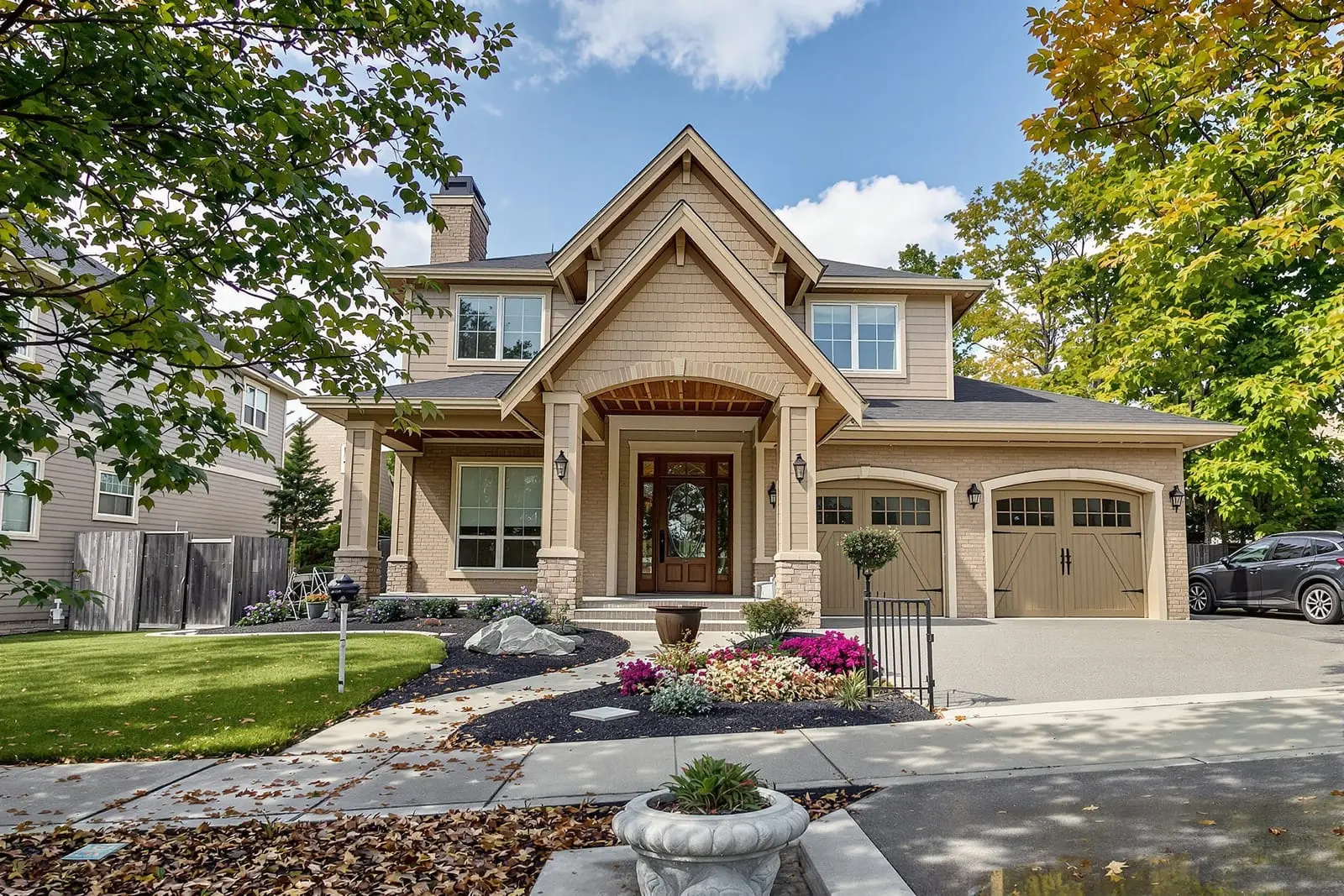
Our residential deconstruction services in Miami, FL focus on maximizing salvage while dismantling homes and structures. Instead of fast mechanical demolition, we carefully remove doors, windows, fixtures, and lumber for reuse or donation. This approach can reduce landfill waste and provide potential tax benefits. Choose a greener way to clear your property.
Wrexo Demolition Miami provides professional residential deconstruction throughout Miami, FL and the surrounding area. Our licensed, insured crew delivers safe, clean, on-time work with a free estimate before anything begins. Call (786) 460-2365 or request your free quote.
Thoughtful Residential Deconstruction in Miami
Residential deconstruction is very different from traditional demolition. Instead of crushing everything with heavy equipment and sending it to the landfill, Wrexo Demolition Miami carefully takes your home or structure apart piece by piece, saving materials that can be reused or donated. This approach is ideal if you care about reducing waste, recovering value from your materials, or protecting parts of the home that still have life left in them.
In Miami, residential properties often have a mix of concrete block, stucco, tile roofs, terrazzo floors, and high‑end finishes. Our team understands how these materials are put together in South Florida construction, which lets us remove items like impact windows, reclaimed wood, decorative tiles, and fixtures without destroying them. We combine hand tools and light machinery so that we can salvage value while still working efficiently.
Wrexo Demolition Miami focuses on making the process calm and predictable for homeowners. We walk you through what can realistically be saved, what condition those materials need to be in, and how they can be handled after removal. Many clients are surprised how much can be reclaimed: kitchen cabinets, appliances, interior doors, bathroom fixtures, lighting, pavers, and even structural lumber in the right situations.
How Our Residential Salvage and Deconstruction Process Works
Our typical deconstruction project in Miami begins with a site visit. We inspect the structure, look at how it was built, and identify salvageable items. For example, we may flag solid wood interior doors, original 1950s terrazzo sills, or Dade County pine framing in older homes. We also look at access for trucks and dumpsters, power shutoff locations, and any nearby properties that need extra protection.
Next, Wrexo Demolition Miami prepares a detailed plan that lists what will be salvaged, what will be carefully dismantled, and what will be removed as standard debris. We share this with you so you can confirm any items you especially want to keep, such as a custom front door, built‑in shelving, or vintage hardware. If you intend to donate materials, we coordinate timing with local reuse centers or charities when possible.
Once work begins, we disconnect and cap utilities as needed (in coordination with your electrician and plumber), then start interior soft‑strip work. This includes removing appliances, fixtures, cabinets, trim, and flooring that can be salvaged. Materials are labeled, stacked, and either protected on site or loaded into dedicated trailers or containers, not mixed with general debris. Only after the salvage phase is complete do we move into dismantling structural elements according to the scope of your remodel or tear‑down plan.
Throughout the project, our crew maintains daily cleanup so your property stays as orderly as possible. We stage materials in a way that keeps walkways clear and respects neighboring homes, especially in tighter Miami areas like Little Havana, Shenandoah, and North Beach where properties are close together.
What Can Be Salvaged From Miami Homes
In residential deconstruction, not everything is worth saving, so realistic expectations matter. Wrexo Demolition Miami evaluates each item for condition, the effort required to remove it, and whether it has reuse or resale value in our local market. In South Florida, some materials are particularly attractive for salvage.
Common salvage items include solid wood cabinets (especially from higher‑end kitchens), stone and quartz countertops when removal access allows, intact interior and exterior doors, quality lighting and fans, and bathroom fixtures like freestanding tubs or newer low‑flow toilets. In mid‑century Miami homes, clients often want to preserve original terrazzo or unique decorative tile, so we plan work around protecting these surfaces or carefully removing sections.
We also look for structural and exterior salvage. Pressure‑treated framing lumber in good condition, tongue‑and‑groove ceiling planks, Dade County pine from older bungalows, hurricane‑rated windows and doors, metal roofing panels, and pavers or natural stone can sometimes be recovered. On the mechanical side, newer air handlers, condensers, water heaters, and pool equipment may have reuse value if they are within a reasonable age and still functioning.
Our team will tell you honestly when the cost of careful removal does not justify salvaging a particular item. For example, very thin builder‑grade cabinets, heavily water‑damaged flooring, and corroded plumbing fixtures usually make more sense to recycle or dispose of instead of salvage. This transparency helps you focus your budget on the items that return the most value.
Local Considerations for Residential Deconstruction in Miami
Miami properties involve unique conditions that affect how deconstruction should be done. Many homes are built on small lots with limited side access, so Wrexo Demolition Miami plans material staging and truck movements to avoid blocking streets or upsetting neighbors. In areas prone to flooding or with high groundwater, we schedule work and debris removal to avoid leaving exposed materials that can become waterlogged during heavy afternoon storms.
Hurricane codes are another big factor. Impact windows, reinforced doors, and storm shutters are installed differently than standard components and must be removed carefully to preserve their rating and function. Our crew is familiar with Miami‑Dade and Florida Building Code requirements and knows how to detach fasteners and flashings without ruining salvageable items. When structural elements like tie beams or hurricane straps are involved, we coordinate with your engineer or contractor so that deconstruction never creates a safety issue.
Older Miami homes may contain lead paint, asbestos, or other hazardous materials. Before we start deconstruction, we recommend appropriate testing, especially for homes built before the 1980s. If hazards are found, we help coordinate licensed abatement so salvage work can continue safely. Trying to self‑remove these materials not only risks health problems, it can also contaminate items you hoped to salvage.
We also account for Miami’s climate when planning what to keep. For instance, certain engineered wood products swell quickly in humidity once removed. We either plan immediate reuse, protected storage, or advise against salvaging if it will not survive the process. This local knowledge helps you avoid investing in materials that will not hold up once they leave the structure.
Costs, Timelines, and What Affects Your Price
Residential deconstruction is more labor intensive than standard demolition, but it can return value through salvage and reduced disposal. Wrexo Demolition Miami prices each project based on several specific factors. These include the size and age of the structure, how it was built, access for our crew and equipment, the volume and type of salvageable items, and any special protections or staging needed.
For example, a small one‑story block home in Westchester with easy driveway access and modern finishes will cost less per square foot to deconstruct than a multi‑story home on a tight Coral Gables lot with limited parking and a long list of salvage targets. Hand‑removing delicate features like custom millwork or a staircase adds labor hours, but if these items have strong resale or reuse value, that additional cost may be offset.
Disposal and recycling costs in Miami‑Dade County also matter. When we can divert concrete, metal, and clean wood to recyclers instead of sending everything to landfill, it can reduce your tipping fees. Salvage that you keep, sell, or donate provides another way to recover value. If you plan to pursue tax deductions for donated materials, we can organize itemized lists and connect you with organizations that understand deconstruction donations, although you should always confirm details with your tax professional.
Timelines vary, but deconstruction often takes longer than mechanical demolition. A project that might take a couple of days with an excavator can take a week or more when carefully dismantled. We schedule work to coordinate with your builder or remodeler, so there is a clear handoff from deconstruction to new construction. Our estimates include a realistic schedule, not an optimistic guess, so you can plan permits, inspections, and contractor start dates with fewer surprises.
How to Prepare Your Home and What to Expect Day to Day
Before deconstruction starts, Wrexo Demolition Miami will give you a clear checklist. This usually includes removing personal belongings, securing valuables, and deciding where salvaged items will go: stored on site, delivered to a new property, or picked up by a buyer or donation center. If you are living in the home during partial deconstruction, we discuss which areas will remain livable and how we will separate work zones from living spaces for safety.
On the first day, you meet the site lead who walks you through the plan, reviews safety boundaries, and confirms which items are being saved. We place floor protection, dust barriers where appropriate, and signs for neighbors so they know who to contact if they have questions. Noise and debris are kept within city rules, and we respect quiet hours set by Miami‑Dade or your municipality.
During the project, you can expect daily progress updates. We highlight which materials were successfully salvaged, any unexpected conditions we encountered (for example, concealed termite damage or hidden structural changes from a past remodel), and how these findings affect the next steps. When surprises arise, our default is to pause, show you the issue, and offer options instead of making assumptions about your priorities.
At completion, we perform a walk‑through with you to confirm that all agreed salvage items are accounted for and that the work area is ready for your next contractor. We remove our equipment, sweep and magnet‑sweep for nails where needed, and ensure dumpsters are picked up promptly. By the end, you have a property that is safely and thoughtfully stripped, a clear understanding of what has been saved, and a cleaner slate for your remodeling or rebuilding plans.
“
Professional residential salvage and deconstruction, done right the first time, quality materials, honest pricing, and results that last.
Wrexo Demolition Miami
Residential Salvage and Deconstruction Across Our Service Area