Home › Commercial Demolition Debris Hauling and Disposal
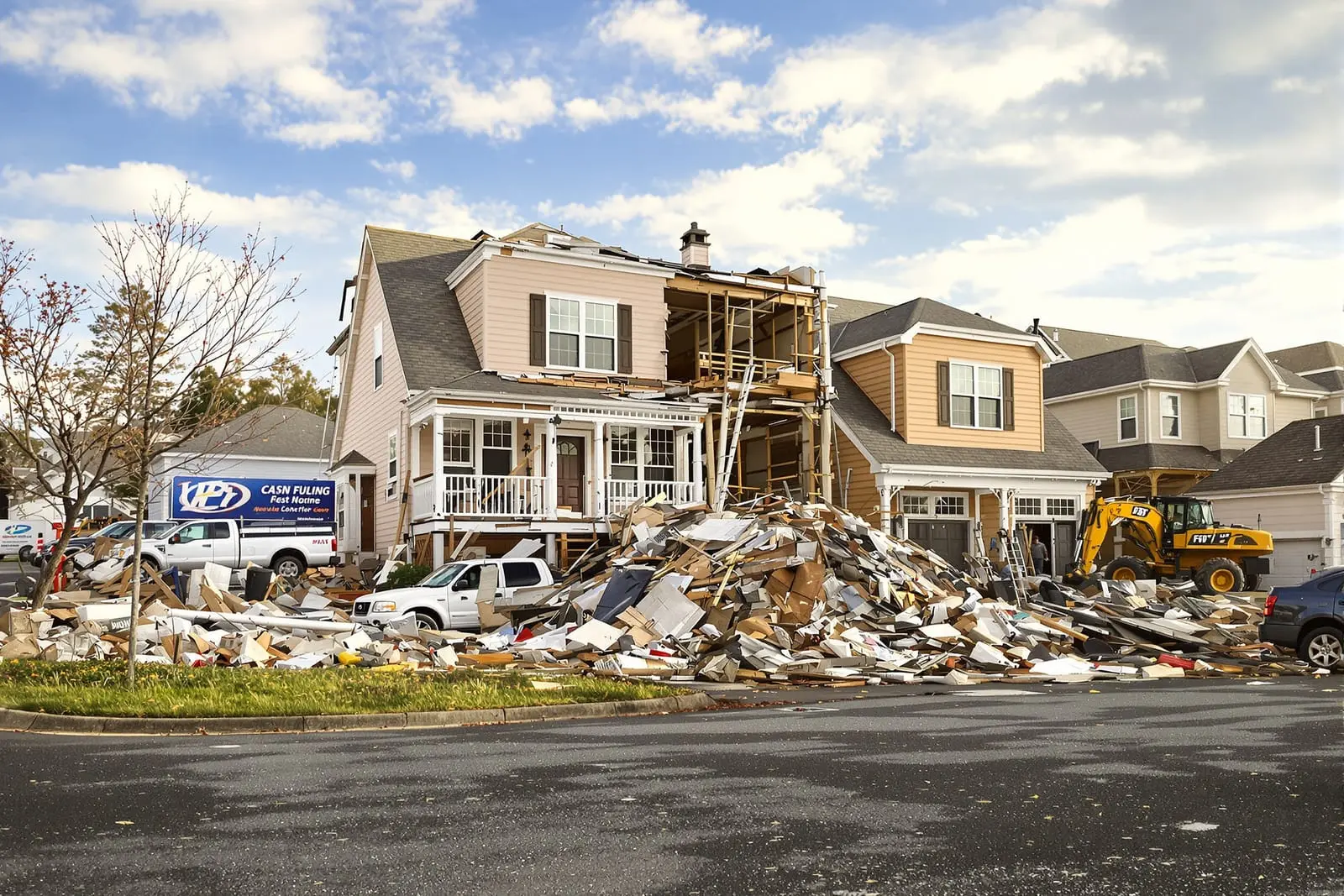
We provide commercial demolition debris removal in Miami, FL for projects that generate large volumes of material. Our fleet of roll offs and dump trucks keeps pace with heavy equipment so sites remain clear and efficient. Concrete, steel, wood, and mixed waste are sorted and hauled to appropriate recycling or disposal facilities. Keep your demolition project moving with reliable hauling support.
Wrexo Demolition Miami provides professional commercial demolition debris removal throughout Miami, FL and the surrounding area. Our licensed, insured crew delivers safe, clean, on-time work with a free estimate before anything begins. Call (786) 460-2365 or request your free quote.
Commercial Demolition Debris Removal for Miami Businesses
Commercial demolition debris removal in Miami is not just about loading a dumpster and driving away. At Wrexo Demolition Miami, we focus on clearing your site fast while keeping you compliant with local rules and protecting your building, neighbors, and schedule.
Most of our commercial clients are property managers, general contractors, and business owners who cannot afford delays. You may be gutting a retail unit at Dolphin Mall, clearing out old office space in Brickell, or removing a kitchen from a restaurant in Wynwood. In each case, the debris stream is different. Concrete, block, tile, ductwork, metal studs, wiring, insulation, roofing, and sometimes limited hazardous materials all need to be handled and hauled differently.
We look at how your building is accessed (street loading in downtown, alley loading in Coral Gables, or loading dock in a warehouse district) before we quote the job. Tight streets, valet lanes, and shared garages in Miami can limit truck size and container placement. That affects how many trips are needed, the kind of equipment we bring, and how we stage debris inside the space so we do not block other tenants or violate fire egress routes.
Wrexo Demolition Miami is familiar with county disposal rules and private transfer stations throughout Miami-Dade. We separate out clean concrete, metal, and cardboard whenever it makes sense, which can lower disposal fees and keep you in line with any recycling requirements tied to your project or landlord agreement. Our goal is simple: have your space cleared and broom-cleaned so your build-back crew can start work without waiting on debris to vanish.
How Our Commercial Debris Hauling Process Works
Before any hauling, we walk the site with you or your superintendent, ideally before interior demo starts. We identify debris types, paths of travel, elevator access, loading times allowed by the building, and any noise or dust limits. This planning step is especially important in high-rise offices, mixed-use buildings, and medical facilities in Miami, where operations often continue during demolition.
Next, we schedule hauling windows that match your demo pace. For interior strip-outs, we often run in phases. For example, day one and two are heavy demolition, evening or early morning are hauling windows so elevators and loading docks are free during business hours. In industrial or stand-alone retail, we may park roll-off containers on-site and cycle them as they fill.
During debris removal, our crews load and stage materials based on both safety and cost. Heavy concrete and block are kept separate where possible so they can go to facilities that accept clean aggregate. Metals like steel studs, copper, and aluminum are segregated for scrap, which can help offset some disposal costs on larger jobs. Mixed construction debris is loaded into roll-off containers or box trucks that are sized to fit your access constraints.
We protect common areas and finished surfaces as we move debris out. In Miami office and condo towers, we often pad elevator walls, lay down Ram Board or plywood on tile and wood floors, and coordinate with security for elevator lock-offs. That extra work reduces the risk of property damage charges from building management and keeps other tenants happier during your project.
At the end of each hauling phase, we leave work areas swept and walkable. For landlords or corporate facility managers, we can photograph each phase of debris removal so you have documentation showing what was removed, how it was staged, and how the area was left after cleanup.
Materials We Remove and How We Dispose of Them
Commercial demolition debris covers far more than just broken drywall. Wrexo Demolition Miami routinely hauls out structural and non-structural materials from offices, retail, restaurants, warehouses, and multi-story commercial buildings.
Common debris we remove includes concrete and CMU block from demising walls or slab cuts, brick and pavers from storefronts and patios, drywall and metal stud partitions, drop ceilings and grid, acoustic tiles, insulation, doors, frames, casework, storefront glass (once safely removed), flooring (VCT, ceramic tile, thinset, wood, laminate, carpet and pad), HVAC ductwork and air handlers, electrical conduit and wiring, light fixtures, plumbing lines, and roofing debris from partial tear-offs.
Each material type has its own best path out of your building and into the correct disposal stream. Concrete is often broken down into manageable pieces on-site and loaded separately so it can be taken to facilities that recycle it as aggregate. Metals are bundled and moved with hand trucks or carts to avoid damage to finished corridors and then taken to scrap yards. Contaminated materials like old kitchen grease duct wrap or moldy drywall are bagged or wrapped to prevent spreading dust and odors through the building.
Miami-Dade regulations and private facility rules restrict how certain items are dumped. Fluorescent ballasts, certain older light fixtures, refrigerants from rooftop units, and some adhesives cannot simply be tossed into mixed debris. When these items show up in your demolition scope, we either coordinate with your mechanical or electrical contractor to remove and handle them, or we line-item their handling so you know exactly how they are being managed.
For interior commercial projects where LEED points or owner sustainability requirements apply, we can provide basic diversion tracking by material category (for example, approximate tons of concrete recycled and metals diverted) based on scale tickets and load counts from local facilities. This gives architects and owners real data instead of guesses when they need environmental reporting.
Cost Drivers and Scheduling Realities in Miami
The price of commercial demolition debris removal in Miami is driven by three main factors: volume and weight, difficulty of access, and disposal requirements. Wrexo Demolition Miami is direct about all three so you understand where your money is going.
Volume and weight are obvious drivers. Slab cuts, block walls, and tile all produce very dense loads. If your project involves substantial concrete breaking or block removal, expect more containers or truckloads and higher disposal tonnage fees. On the other hand, office interior work that is mostly drywall, ceiling tiles, and carpet produces bulky but lighter loads, which are often limited more by container space than weight.
Access is the second driver. A ground-level big-box retail space with a dedicated parking lot is fast and efficient to clear. A tenth-floor suite on Biscayne Boulevard with one shared freight elevator, no dock, and strict loading time windows is slower and more labor-heavy. If our crew spends significant time moving debris through long corridors, staging it in an elevator lobby, or waiting for a freight elevator, that labor time is part of the cost.
Disposal requirements can push costs up or down. If your landlord or corporate standards require a certain level of recycling, we may need more on-site sorting and additional runs to different facilities. If we identify regulated items like certain refrigerants, mercury-containing lamps, or specific adhesives, they may require specialized handling. We explain these line items clearly so you can compare our quote with others on an apples-to-apples basis.
Miami-specific scheduling issues can also affect cost. Many downtown and Brickell buildings only allow noisy work and heavy hauling during off-hours or weekends. That means overtime or night shifts for labor. Some high-traffic areas limit container placement on the street or require coordination with the City of Miami for temporary use of curbside space. When your project is in one of these zones, we account for that upfront rather than surprising you mid-job.
Permits, Building Rules, and What to Ask Before You Hire
For most commercial interior projects, the general contractor or property owner secures the main demolition permit with the City of Miami or Miami-Dade County. Separate permits specifically for hauling are usually not required, but building and municipal rules still matter. Wrexo Demolition Miami coordinates within those rules so you stay out of trouble.
Many office towers, medical buildings, and condo associations in Miami have their own contractor rules and insurance requirements. They often require certificates of insurance with specific limits and wording, list of crew members, and pre-approval for using loading docks and elevators. Before we start, we provide our insurance paperwork and any required safety plans so your property manager is comfortable with our presence on-site.
If containers need to be placed on public right-of-way, such as a street or alley, the city may require a right-of-way permit or written approval. In these cases, we can advise your GC or facility team on what is typically needed, and adjust our plan to reduce or eliminate street placement when possible by using smaller trucks or internal staging.
Before you hire any company for commercial demolition debris removal in Miami, ask specific questions. Who is actually performing the work (in-house crew or day labor called the same morning)? What is their plan for protecting common areas, managing dust, and staying within building quiet hours? Which disposal and recycling facilities do they use, and can they show scale tickets if requested? How will they handle surprise items like a forgotten rooftop unit or a load of saturated insulation after a sudden storm?
Wrexo Demolition Miami answers these questions in writing, provides a scope that matches your plans and landlord requirements, and stays reachable throughout the job. Our focus is not only on getting the debris out, but on making sure your project keeps moving without conflicts with neighbors, building management, or inspectors.
“
Professional commercial demolition debris hauling and disposal, done right the first time, quality materials, honest pricing, and results that last.
Wrexo Demolition Miami
Commercial Demolition Debris Hauling and Disposal Across Our Service Area