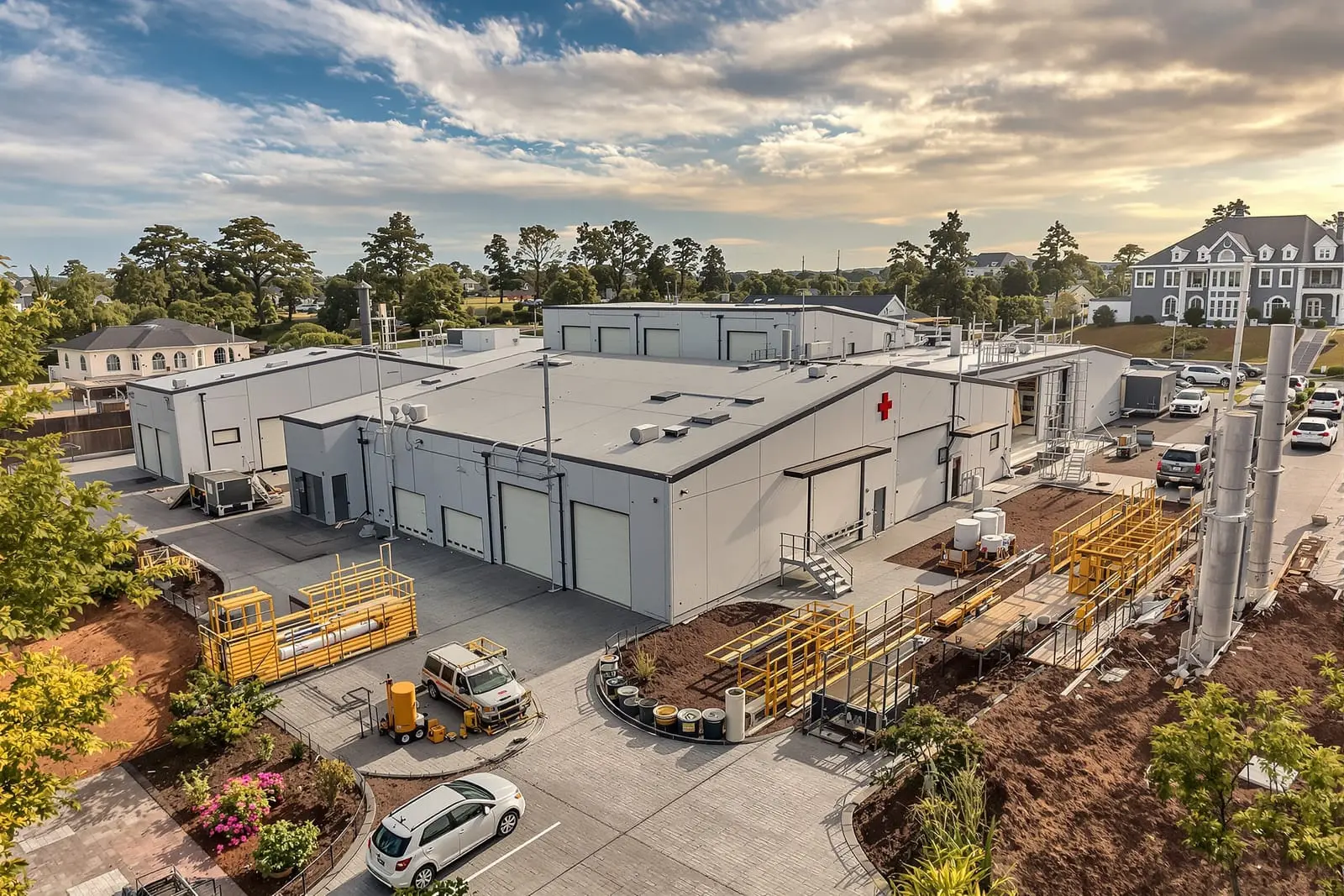
We manage plant decommissioning in Miami, FL from initial planning through final demolition or turnover. Our team drains and isolates systems, removes equipment, and dismantles structures in phases tailored to your closure plan. Salvage and recycling opportunities are maximized to control costs. Retire industrial facilities safely, cleanly, and in full compliance.
Wrexo Demolition Miami provides professional plant decommissioning throughout Miami, FL and the surrounding area. Our licensed, insured crew delivers safe, clean, on-time work with a free estimate before anything begins. Call (786) 460-2365 or request your free quote.
Plant Decommissioning in Miami, Explained in Plain Language
If you manage an industrial facility in South Florida and are planning plant decommissioning, you are dealing with a lot more than tearing out old equipment. Wrexo Demolition Miami helps owners and operators safely retire manufacturing plants, utilities, water treatment sites, and other industrial facilities across Miami and the surrounding cities.
Plant decommissioning is the full process of taking a facility out of service, making it safe, removing equipment and structures you no longer need, and preparing the site for sale, redevelopment, or a new operation. In Miami that usually means coordinating with local building departments, handling environmental rules for any hazardous materials, and working around tight sites and nearby businesses or neighborhoods.
Instead of treating every job as a generic demo, we start by understanding how your plant actually operated. What products were handled, what chemicals were stored, which utilities are still live, and what equipment you plan to re‑use or resell. That discovery step shapes the entire plan so we protect what matters, remove what does not, and stay compliant with Miami‑Dade and Florida regulations.
How Our Plant Decommissioning Process Works
Wrexo Demolition Miami uses a structured, step by step approach so you know what will happen and when.
1. Facility assessment and asset mapping
We walk the site with you and your maintenance or EHS team. We identify production lines, tanks, conveyors, mezzanines, electrical rooms, boiler rooms, cooling towers, compressors, and any underground structures like pits or sumps. We also document assets you may want to sell, relocate, or keep in place. This early mapping helps avoid “accidental demolition” of equipment that still has value.
2. Utility isolation and safety prep
Before any dismantling, we verify and lock out all utilities. That includes FPL electrical service, natural gas, compressed air, process piping, and any special systems like chilled water. We coordinate with your utility providers and building engineer so everything is properly shut off and tagged. In older Miami plants we often find undocumented circuits or abandoned lines; we test and trace these before cutting anything.
3. Environmental and hazardous material handling
Many industrial facilities include materials that must be handled under specific rules. This can include asbestos in old pipe insulation, lead based paint on structural steel, oils and solvents in tanks or lines, refrigerants in chillers, and universal waste like fluorescent bulbs. We bring in licensed partners where required, follow Florida DEP and EPA guidelines, and keep manifests for any regulated waste. This step often runs in parallel with dismantling to keep your schedule on track.
4. Selective dismantling and structural removal
We remove equipment in a logical sequence: first small components and wiring, then heavy machinery and structural supports. We often use a combination of cutting torches, high reach excavators, cranes, and manual dismantling, especially in tight interior spaces typical of Miami warehouses converted to plants. When rooftop units or tall stacks are involved, we plan picks carefully to avoid conflicts with neighboring properties, streets, and power lines.
5. Sorting, recycling, and site ready condition
As material comes out, we separate reusable equipment, scrap metal, concrete, masonry, and general debris. Miami has strong metal recycling options, and the value of your scrap can offset part of your overall project cost. Once dismantling is complete, we rough grade and clean the area to whatever “turnover condition” you specify, from basic broom clean to pad‑ready for a new build.
What Drives Cost and Timeline for Plant Decommissioning
There is no one size fits all price for plant decommissioning, and any contractor who gives you a flat number without a detailed site walk is guessing. Wrexo Demolition Miami looks at several key factors that directly affect your budget and schedule.
1. Size and complexity of the facility
A small packaging plant with a few production lines is completely different from a multistory processing plant with tanks, catwalks, and heavy structural steel. More volume and more levels generally mean more labor, more equipment, and more time.
2. Condition and age of the plant
Older Miami buildings often have asbestos containing materials or outdated electrical systems that require extra care. Corroded platforms, rusted bolts, and undocumented modifications slow down dismantling because work must be done more manually and with higher safety margins.
3. Hazardous materials and special waste
If your operation involved chemicals, fuels, or regulated waste, expect additional cost for testing, abatement, and manifesting. For example, degreasing solvents, plating chemicals, or heavy oil residues in tanks or pits require cleaning and certified disposal before those structures can be cut up and removed.
4. Access, neighbors, and working hours
Tight sites in places like Allapattah, Wynwood, or around the river can require more crane work, night work, or lane closures. In some industrial pockets of Miami you may have residential condos or offices right next door. Managing noise, dust, and truck traffic in those conditions takes more planning and can stretch the timeline.
5. Salvage value of metals and equipment
On the positive side, your plant probably contains significant recyclable steel, stainless, copper, and possibly reusable machinery. We help you understand which items are worth selling as equipment, which are better treated as scrap, and how that offsets cost. We can structure our pricing so you see exactly how salvage helps your bottom line.
Permits, Compliance, and Local Issues in Miami
Industrial decommissioning in Miami involves more oversight than a simple house teardown. Wrexo Demolition Miami handles the paperwork and coordination that can slow projects if you are not prepared.
Permits and approvals
Most plant decommissioning projects require a demolition permit from the City of Miami or the relevant municipality (Doral, Hialeah, Medley, Miami Gardens, etc.). If you are removing an entire structure, the process often includes structural review and utility sign offs. For interiors, you may still need an interior demo permit, especially when structural elements, fire protection, or egress are affected.
Environmental notifications
If there is asbestos present, state notification rules apply prior to abatement and demolition. For tanks, pits, or underground structures, Miami‑Dade and Florida DEP rules may apply to closure, cleaning, and backfilling. We coordinate required inspections so you do not get hung up at the end of the project.
Stormwater and dust control
South Florida’s rainfall and flat topography mean you must manage runoff and sediment, especially near canals or the river. We plan material stockpiles and truck routes to minimize tracking dirt onto public roads and use water misting to keep dust under control. When working near sensitive neighbors, such as food processing plants or medical facilities, we can schedule noisy work in specific windows to reduce disruption.
Documentation for sale or redevelopment
If you are planning to sell or redevelop the property, your lender or buyer may ask for proof that the plant was decommissioned properly. We provide close out documentation that can include photos, waste manifests, receipts from recyclers, and letters from licensed abatement contractors, which can be important in a commercial real estate transaction.
Plant decommissioning is not something you want to learn by trial and error. Wrexo Demolition Miami focuses on planning first so field work goes smoothly and safely.
We speak the same language as plant managers, EHS teams, and facility engineers, and we are comfortable walking through P&IDs, equipment lists, and site plans. That lets us build a decommissioning plan that respects your internal procedures and deadlines, such as lease termination dates, sale closings, or production transfers to another facility.
Communication is a big part of how we work. You get a clear sequence of activities, and we coordinate with your other vendors, from riggers and auctioneers to environmental consultants. When we run into surprises, such as undocumented piping or hidden structural issues, we bring options to you quickly so you can make informed decisions without stalling the job.
If you are planning plant decommissioning or dismantling anywhere in Miami or the surrounding industrial areas, we are available to walk the site with you, ask the right questions, and provide a detailed scope and budget. Whether you are clearing a small specialty plant or a large multi building facility, Wrexo Demolition Miami can help you shut it down safely and get the property ready for its next chapter.
“
Professional plant decommissioning and dismantling, done right the first time, quality materials, honest pricing, and results that last.
Wrexo Demolition Miami
Plant Decommissioning and Dismantling Across Our Service Area